Windrose Currency Guide: How to Stop Being a Broke Pirate
A chest full of gold is completely useless if you try to hand it to the wrong vendor.
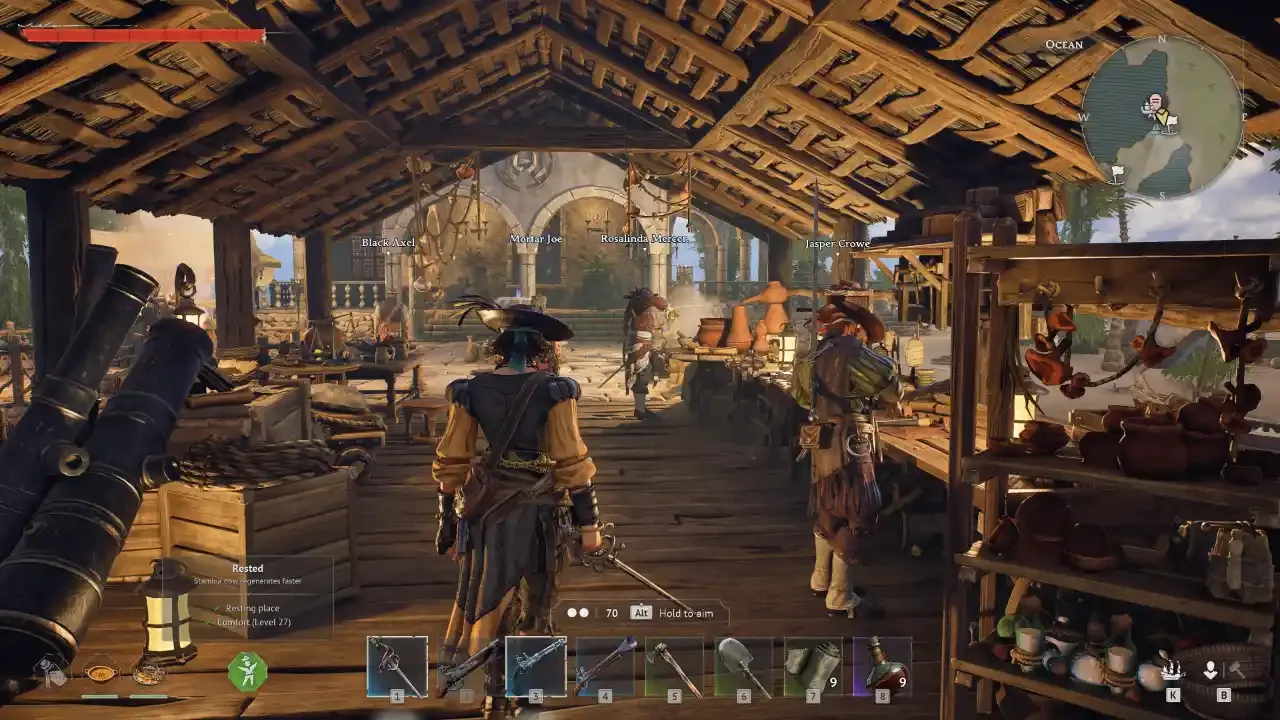
Windrose spreads its economy across so many different currencies that you'll show up to buy a galleon with a pocket full of silver and get told, flatly, that nobody wants it.
There's actual spending money in this game, and then there's shiny metal that just looks like money but is really a crafting component wearing a disguise. Took an embarrassing number of failed trades to figure out which was which. Here's the breakdown of what each currency actually does, where it comes from, and what's worth holding onto instead of selling off.
Piastres Are the Everyday Money
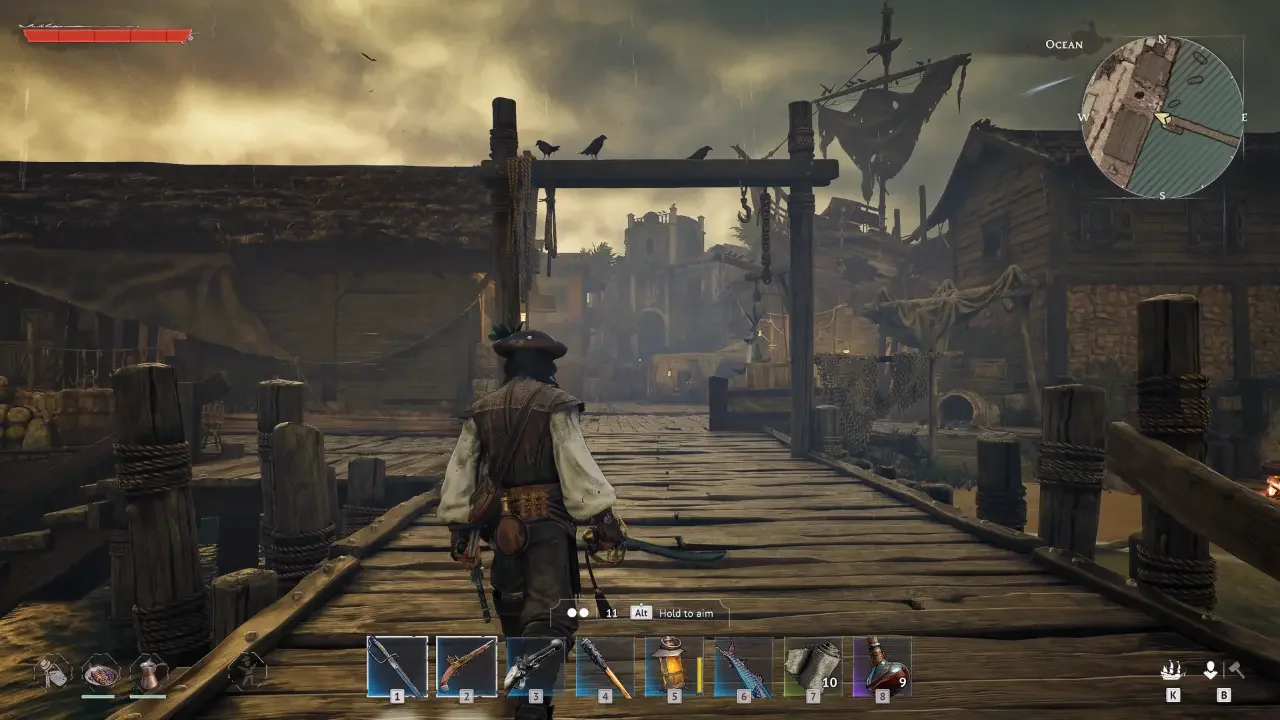
This is the currency doing most of the heavy lifting. Standard merchants, especially the ones clustered around the market hub in Tortuga, want Piastres for basically everything.
Income here comes from just engaging with the world normally. Side quests pay out in it, selling off looted contraband pays out in it, and turning in faction items does too. If there's one reliable grind for a steady stream, it's building up faction standing, since better reputation tends to unlock better trade terms along with it.
Guineas Are the Premium Currency
Guineas sit a tier above Piastres, and they don't come from mugging random sailors on a beach. This is buried treasure and major world quest territory exclusively.
They function the same way at a vendor stall, but they're reserved for the stuff that actually matters late game. Luxury architectural plans, high-end ship cosmetics, and the Frigate blueprint all specifically want Guineas, not Piastres, so it's worth not blowing through them the moment a few show up in your pocket.
The Crafting Metals
In most pirate games, gold and silver are just shiny trinkets you sell for raw cash. In Windrose, treating these metals as trade currency is a massive, unforgivable mistake.
Silver and Gold Ingots
Silver and Gold Ingots are actually high end crafting materials. You do not spend them directly at the provisioners.
You will naturally loot Silver Ingots from deep dungeon chests or by taking down formidable enemies. If you are completely desperate and need silver immediately, you can technically buy them from the Tortuga trader for 20 Piastres a piece. You take this silver back to your base and use it at the Jewellery Table to craft rings and trinkets that provide massive skill boosts to your character.
Gold Ingots function the exact same way but are tied to much harder progression zones. You will only pull gold from high level treasure chests and elite enemy encounters. You need a stockpile of gold to craft the highest tier amulets in the game. Do not sell your gold to a random vendor for pocket change. If you want to know more about outfitting your character with the best possible combat gear, take a look at my weapons and armor crafting guide.