Windrose Combat Guide: How to Stop Dying to Boars
Charging into a group of enemies and holding down the attack button gets a character killed fast in Windrose.

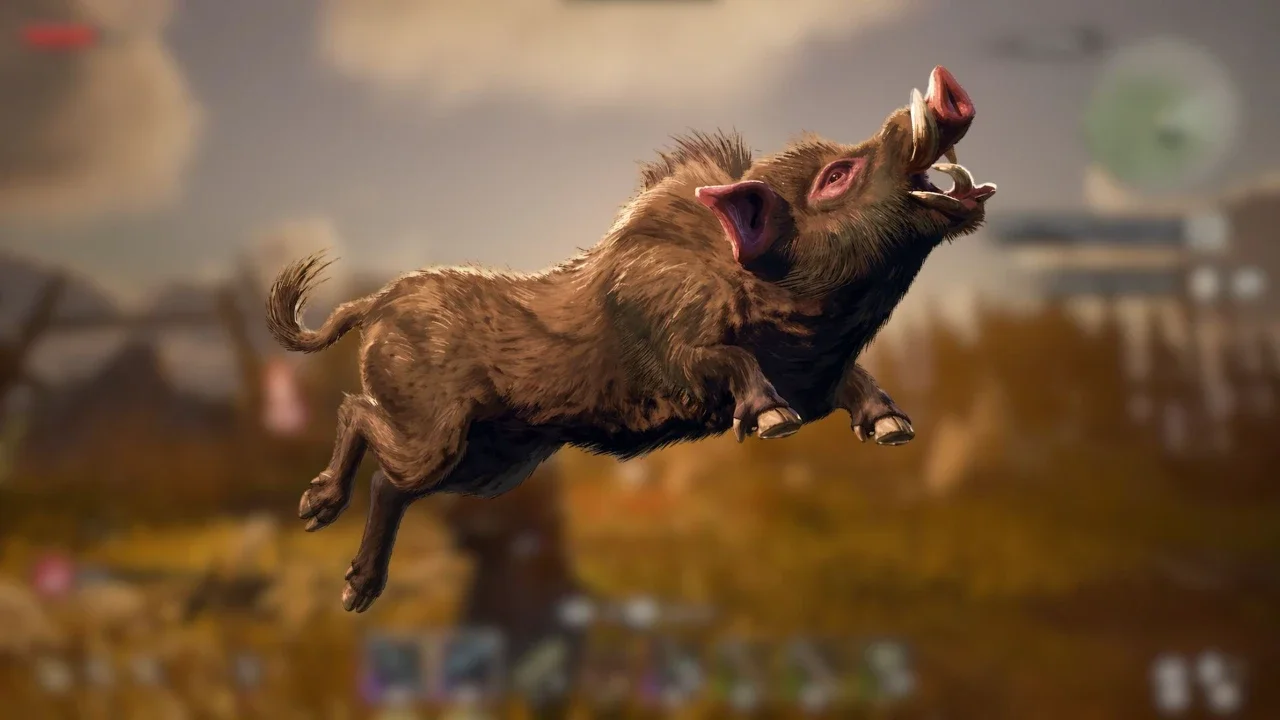
The combat here leans hard into souls-lite mechanics, stamina management, telegraphed attacks, deliberate timing, without ever saying so outright. Treat it like a game you can out-click and the feral boars will prove that assumption wrong within the first hour. The mechanics are forgiving once the rhythm clicks. Getting there just takes understanding a few systems the tutorial glosses over.
What to Handle Before Drawing a Weapon
Survival gets decided before the first swing more often than during it.
Base stats start low enough that skipping food before a camp raid is a bad habit worth breaking immediately. Two food buffs can run at once, and a high-tier meal multiplies the health pool enough to survive a dodge that doesn't quite land. The best meals for this are worth cooking in bulk rather than rationed out one at a time.
Leaving base without the Rested buff active is optional self-sabotage. Standing near a Bonfire grants a real boost to stamina regen, and stacking furniture around it stretches that window out to thirty minutes, which matters a lot once a fight runs long.
Gear matters just as much as either of those. Enemy damage scales assuming armor keeps pace, and a level 1 jacket folds in two hits where a level 8 one, craftable off starting-area rough hides alone, shrugs off the same blow without much trouble.
Reading the Shield System
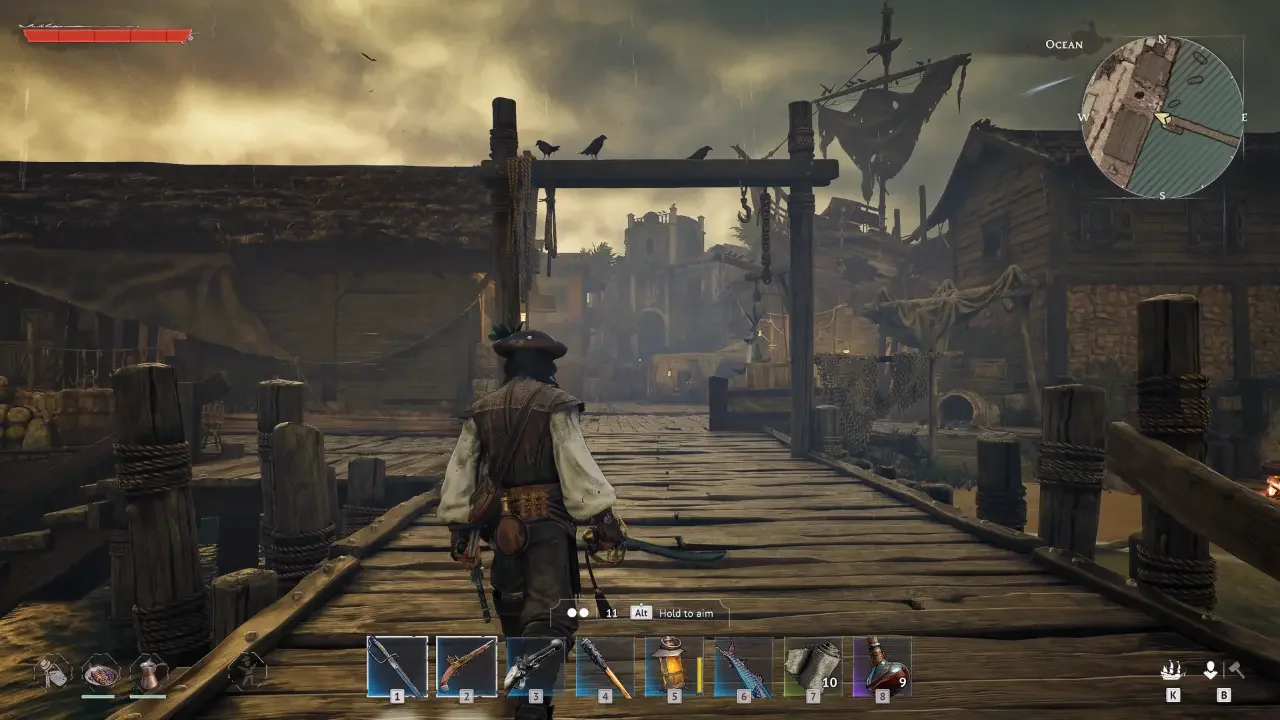
Both a character and every enemy carry a row of shield icons under their health bar, and those icons govern how much punishment a block can absorb before something breaks.
Blocking a standard hit costs one shield. Run out, and the guard breaks, leaving the next hit free to stagger. The same rule cuts both ways, chipping through an enemy's shields the same way opens a stun window wide enough for a real combo, though that window closes fast before shields regenerate and the enemy swings back.
The Rule That Actually Keeps a Character Alive
Greed kills more runs than bad gear does. Once an enemy's attack animation finishes, two hits is the window, not three. Try to squeeze in a third swing and hyper-armor punches straight through the attempt. Full combos only belong in the moment an enemy's shields are already broken and they're standing there stunned, otherwise it's two hits and immediate distance.
Handling More Than One Enemy at Once
A single boar is nothing. A pirate captain flanked by three dogs is a different problem entirely.
Walking straight into the middle of a camp invites all of it at once. Picking off the furthest guard with a firearm or bow first and pulling enemies out one at a time keeps the fight manageable. If the whole camp still ends up aggroed anyway, switching off a Pierce weapon like a Rapier and onto something that swings wide, a Halberd or Greatsword, turns a one-target weapon into something that actually hits the crowd. Which named weapons in either category are worth chasing gets covered in the full tier list.
Health below 50% is the cutoff where fighting should stop and healing should start. Bandages cost next to nothing, plant fiber and cloth, but the healing is slow and cancels the instant another hit lands, which makes them a post-fight tool and nothing else. Mid-fight, with swords still swinging, only a potion's instant burst actually keeps a run going.
What Dying Actually Costs
Dying happens, regularly, and Windrose doesn't punish it as hard as it could. Quick-bar gear stays equipped through death, and everything else lands in a tombstone that stays put in the world until it's retrieved. Chunk a boss down to half health before dying and sprint back fast enough, and that health bar often hasn't reset by the time the fight resumes.
Carrying a Tent or the materials for a Fast Travel Bell cuts the actual penalty down to almost nothing. Dropping a spawn point right outside a camp or ruin before engaging turns a death from a ten-minute walk back into a ten-second one, which is most of what makes dying here an inconvenience instead of a real setback.