Tomodachi Life: Living The Dream - The Complete Guide To Gifts, Phrases, And Confessions
Every Mii on your island is eventually going to turn to you for advice on what to eat, what to say, and who to fall in love with, and how you answer actually matters.
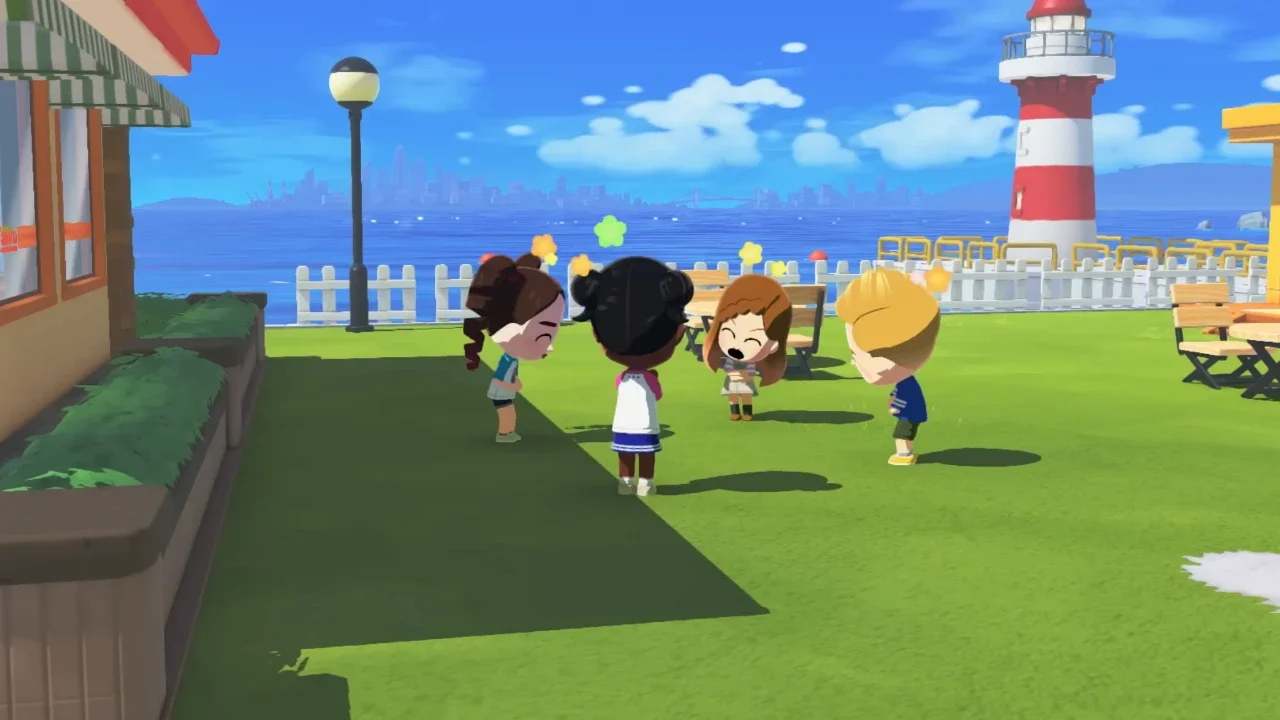
Click through those prompts on autopilot and you end up with a town full of near-identical clones. I found out pretty quickly there's a lot more control on offer here than the game lets on at first, especially once you've got a solid daily routine going from our beginner's guide.
Two Kinds Of Gifts, Two Very Different Jobs
I mixed these up for way longer than I'd like to admit, so it's worth separating them early. Everyday gifts and level up rewards look similar, but they do completely different things.
Everyday gifts are the easy ones. Food and clothes bump up a Mii's baseline happiness, and I almost always go with food, specifically whatever their all time favorite meal happens to be. One thing to check first though: if their stomach gauge is already full, they'll flat out refuse whatever you're holding out and hand it right back. Treasures shouldn't go here either. Those are worth way more at the pawn shop, and our guide to making money and unlocking shops gets into exactly how much they're worth.
Level up gifts work differently, and honestly this is where things get more interesting. When a Mii levels up from eating a favorite food, you get one gift to give, and it doesn't touch their happiness at all. What it does instead is permanently change how they behave, which is a much bigger deal than it sounds.
You've got four categories to pick from here. Goods are physical items like books or skateboards that a Mii will actually use in their daily routine, and they're the safest choice if you're not sure what to go with yet. Little Quirks change small animations, how a Mii walks, eats, or reacts, and this is honestly where a Mii starts feeling less like a clone and more like their own little person. Expressions give them a catchphrase you can set to trigger at a specific time, which is great if you're leaning into a specific character idea. And then there's Kid-O-Matic, which reverts an adult Mii back into the child category. That one's worth thinking twice about, since it cuts off their romantic options completely.
Your Island Has A Dictionary, And It's Chaotic
Every so often a Mii walks up and asks what they should talk about with their friends, and that's your cue to add something new to the Island Dictionary.
You type in a word or a sentence, set how the text to speech engine should pronounce it, and file it under person, place, or activity. Here's the part that got me: it's not exclusive to the Mii who asked. Once a Phrase is logged, every single resident on the island can start dropping it into conversation, which makes for some genuinely funny moments once you've built up a decent list. If you type something wrong, you can go back and fix the pronunciation through Town Hall, but the actual text is locked in for good. If it's bad enough, deleting the whole entry is your only real fix.
When You See A Pink Heart, Brace Yourself
A pink heart bubble floating over an apartment window means a Mii's ready to confess, and this is easily the most nerve-wracking social event the island throws at you.
You'll get asked where they should confess, how they should approach it, and what they should wear. The actual result comes down to personality compatibility more than anything you dress them in, so it plays out more like a roleplay moment than a system you can game your way through. Every now and then a third Mii will crash the whole thing to declare their own feelings for the same target, and suddenly you're making an awkward call on the spot. A yes turns the pair into Sweethearts, and from there our guide to getting Miis married picks up right where this leaves off.
A no is a lot rougher to watch. The rejected Mii's happiness meter drops straight to zero and gets replaced with a dark purple sadness gauge, and they'll need some direct help from you to bounce back.
The Calendar Sets The Mood For Everyone
Every Mii gets a birthday assigned when you create them, and when that day rolls around, their friends throw them a little party right in their apartment.
If it's your own birthday, the one tied to your main profile, the whole island gathers in the plaza to sing, and you get handed a unique Birthday Cake item for it. If you happen to miss your actual day, don't try nudging the console clock to fix it. That opens up a whole set of problems covered in our guide to time travel penalties, mostly because it throws shop rotations completely out of order. Waiting until next year is the safer call, and if a date genuinely needs changing, that's something to sort out through the profile menus instead.
Also worth keeping half an eye on are the Mii News broadcasts. This little in-game news station interrupts play whenever something big happens, a new facility opening, a fresh wave of residents moving in, and it's a nice, low-effort way to track how far your island's actually come. Old segments stay available through the News Station building too, as long as the Miis featured are still around.